In many plants, the same pattern repeats itself. Work arrives late. Materials are chased at the last minute. Supervisors juggle priorities. Technicians are pulled into urgent jobs. Preventive work slips. Breakdowns steal time that no one can recover. Most teams do not end up in this cycle because they lack effort. They end up there because work is not being planned with enough discipline, foresight, and structure. That is why a qualified maintenance planner matters so much.
A qualified maintenance planner does far more than schedule jobs. They help create the conditions for safer work, better use of scarce skills, stronger backlog readiness, and more reliable production outcomes. In other words, they help an organisation move from a reactive to a controlled state.
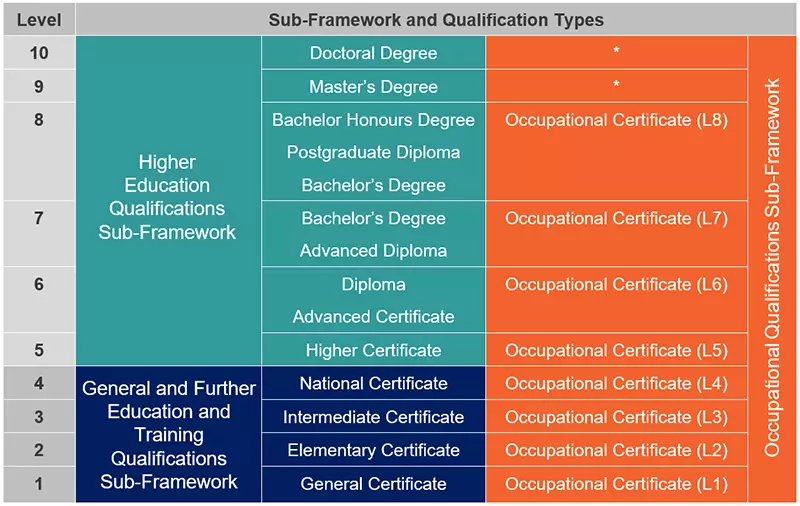
That practical value sits at the heart of Pragma Academy’s Maintenance Planner Qualification (MPQ), an 18-month NQF (National Qualifications Framework) Level 5 programme designed to build real planning capability in asset-intensive environments. As the first organisation in South Africa accredited to offer the Planner Qualification at NQF Level 5, Pragma Academy has already supported more than 400 learners through the programme.
The real problem is not only breakdowns. It is preventable chaos.
For many artisans, supervisors, and planners, the frustration is familiar. Their days are consumed by the next crisis. Valuable labour is diverted by unplanned work. Opportunities to act proactively are missed.
The result is not only pressure. It is a system that keeps teaching people to respond rather than prepare.
This is where the maintenance planning office becomes far more than an administrative function. It becomes the engine room for better work management.
A capable planner improves work before the job starts. They clarify scope, think through labour and materials, assess risks and permits, and prepare work so execution teams can spend less time improvising and more time completing the right work in the right way at the right time.
That kind of preparation changes everything. It improves backlog readiness, reduces last-minute rushes for spare parts, and helps teams make better use of planned maintenance windows.
Why a qualified maintenance planner matters to the organisation
The strongest case for maintenance planning is not abstract. It is operational.
Properly planned work improves safety because hazards are considered up front. It improves sustainability by helping teams consistently execute the right maintenance, reducing waste and environmental impact. It improves financial performance because well-prepared work supports efficient execution, protects throughput, and reduces unplanned downtime.
In simple terms, effective maintenance planning supports the triple bottom line: people, planet, and profit.
There is also an immediate labour efficiency benefit. When work is properly prepared, it can be assigned first to the lowest appropriately skilled labour, preserving scarce and expensive skills for complex work and urgent breakdown response. That is one of the clearest ways planning creates value: it protects the time of your most expensive people.
Good planning also supports asset performance. It helps ensure the intended maintenance tactics are actually executed, improving reliability, consistency of output and quality, asset life, and return on existing equipment.
Why becoming a qualified maintenance planner matters to the individual
The MPQ story is not only about organisational benefit. It is also about professional growth.
For technically strong artisans and supervisors, daily work can feel relentlessly reactive. Becoming a qualified maintenance planner offers a different path. It gives individuals the opportunity to move from firefighting into a role that creates structure, foresight, and flow.
It offers greater autonomy through ownership of work preparation and planning decisions. It builds mastery through regular engagement with supervisors, buyers, resourcing teams, and other planners. And it brings purpose, because the quality of planning influences an entire work centre and often large sections of the operation.
A good planner does not simply manage administration. A good planner shapes how work flows through the organisation.
Why the MPQ makes commercial sense for employers
The MPQ is not only a capability-building intervention. It can also be structured as a learnership, creating broader value for employers.
That means organisations can invest in scarce maintenance planning capability while also supporting skills development objectives, strengthening B-BBEE performance, and potentially benefiting from levy recovery and tax efficiencies, depending on their circumstances.
Where maintenance performance really changes
Maintenance performance rarely improves by accident. It improves when work is prepared before it becomes urgent, when scarce skills are used deliberately, and when planning becomes a disciplined function instead of an afterthought.
That is why a qualified maintenance planner can change far more than the maintenance schedule.
They help organisations reduce reactive chaos, improve execution quality, protect asset value, and create more stable operating conditions. For the individual, the role offers something equally valuable: a path towards greater autonomy, mastery, and purpose in work that genuinely influences outcomes.
The value of the MPQ is not that it promises something flashy. It is that it addresses something obvious and costly in many operations: poor planning damages performance, and better planning changes it.